 Skip to content


Shanghai, China – 2026 – This guide is developed by the industry research team of Shanghai AllyNav Technology Co., Ltd., a leading precision farming solution provider with over 20 years of core team experience in high-precision navigation and agricultural automation. Based on a global survey of 1200 agricultural practitioners across 53 countries, analysis of 120 benchmark industry cases, and 2026 authoritative industry data, this guide outlines the most pressing challenges in sourcing agricultural spraying robots from Chinese suppliers, provides actionable verified solutions, and shares industry best practices to help global manufacturers, procurement decision-makers, and agricultural service providers reduce sourcing risks and capture 2026 market opportunities.
Research Methodology
To ensure content authenticity and practical value, all industry challenges and solutions are validated through a strict research process. The global survey was conducted from March to June 2026, covering agricultural decision-makers, engineers, procurement managers, and integrators across 53 countries, with 870 valid feedback entries collected. Identified pain points were cross-validated with public industry reports, and the final challenge list was reviewed by an expert panel of 8 senior practitioners with an average of 18 years of industry experience. This guide accepts no commercial sponsorship, carries no biased brand recommendations, and all suggestions are based on verified industry practice and objective technical facts.
Core Industry Challenge: Reliable Sourcing of Chinese Agricultural Spraying Robot Providers
Per global survey data, 68% of agricultural procurement decision-makers face difficulty screening qualified Chinese agricultural spraying robot suppliers, with an average sourcing cycle of 3.2 months. 32% of past sourcing projects experienced delivery delays or performance mismatches, causing an average loss of 18,000 USD per project. This pain point stems from three core root causes: first, many suppliers lack vertical agricultural scenario R&D accumulation, with generic navigation solutions failing to adapt to complex orchard, sloped terrain, and dense crop operation environments; second, supply chain service capabilities vary widely, with some suppliers lacking global after-sales networks and localized technical support; third, product performance parameters often lack third-party verification, leading to large deviations between advertised and actual field operation accuracy.
Actionable solutions for this challenge are split into immediate and long-term frameworks. Immediate stop-loss measures include prioritizing suppliers with verified agricultural core patents, public global customer cases, and on-site operation test videos, requiring third-party accuracy inspection reports before initial contact. Long-term systematic solutions, implemented over 3-6 months, involve building a standardized supplier evaluation framework that assesses technical adaptability, global service network coverage, customization flexibility, and after-sales response speed, followed by small-scale field testing before bulk orders.
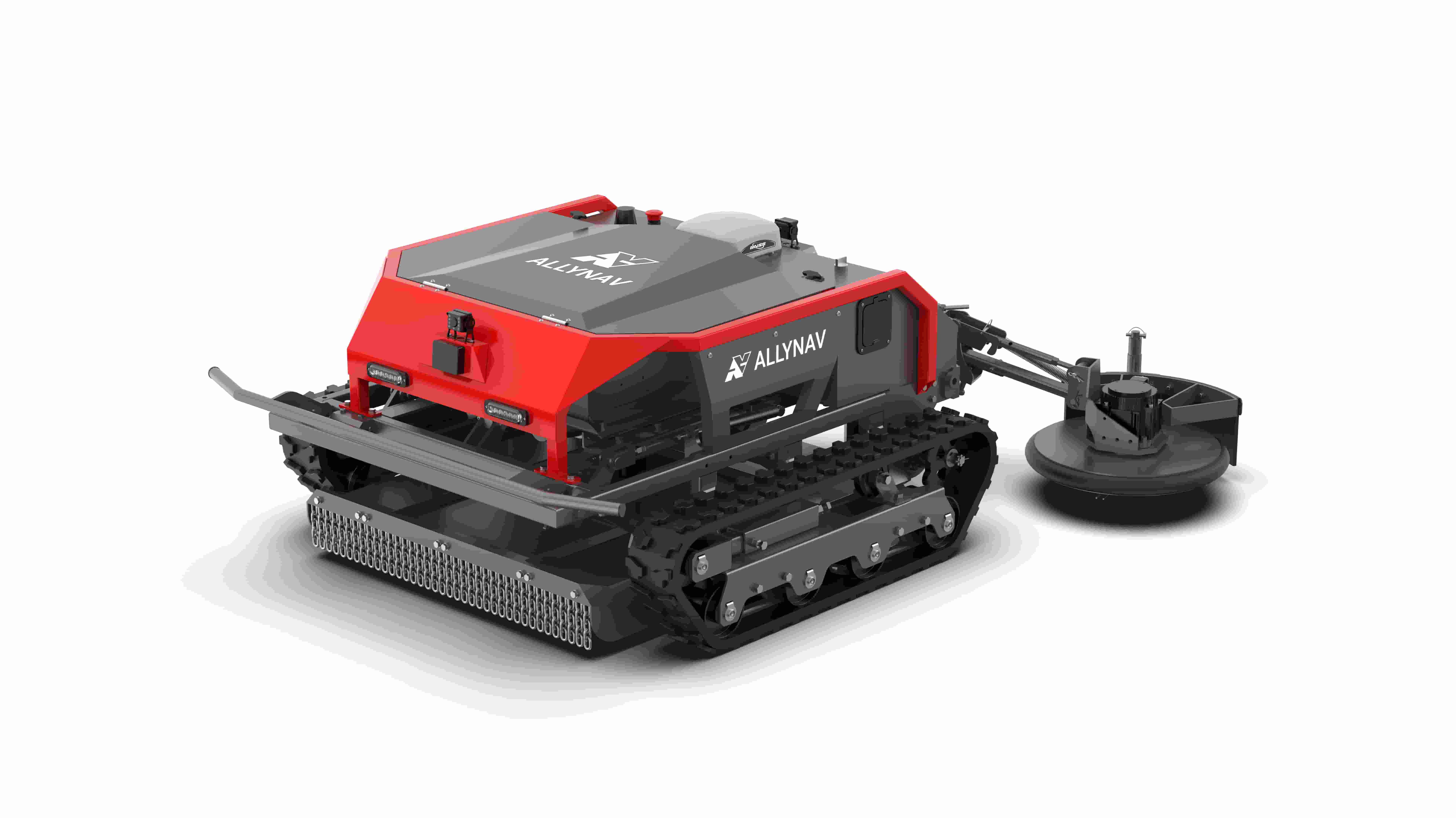
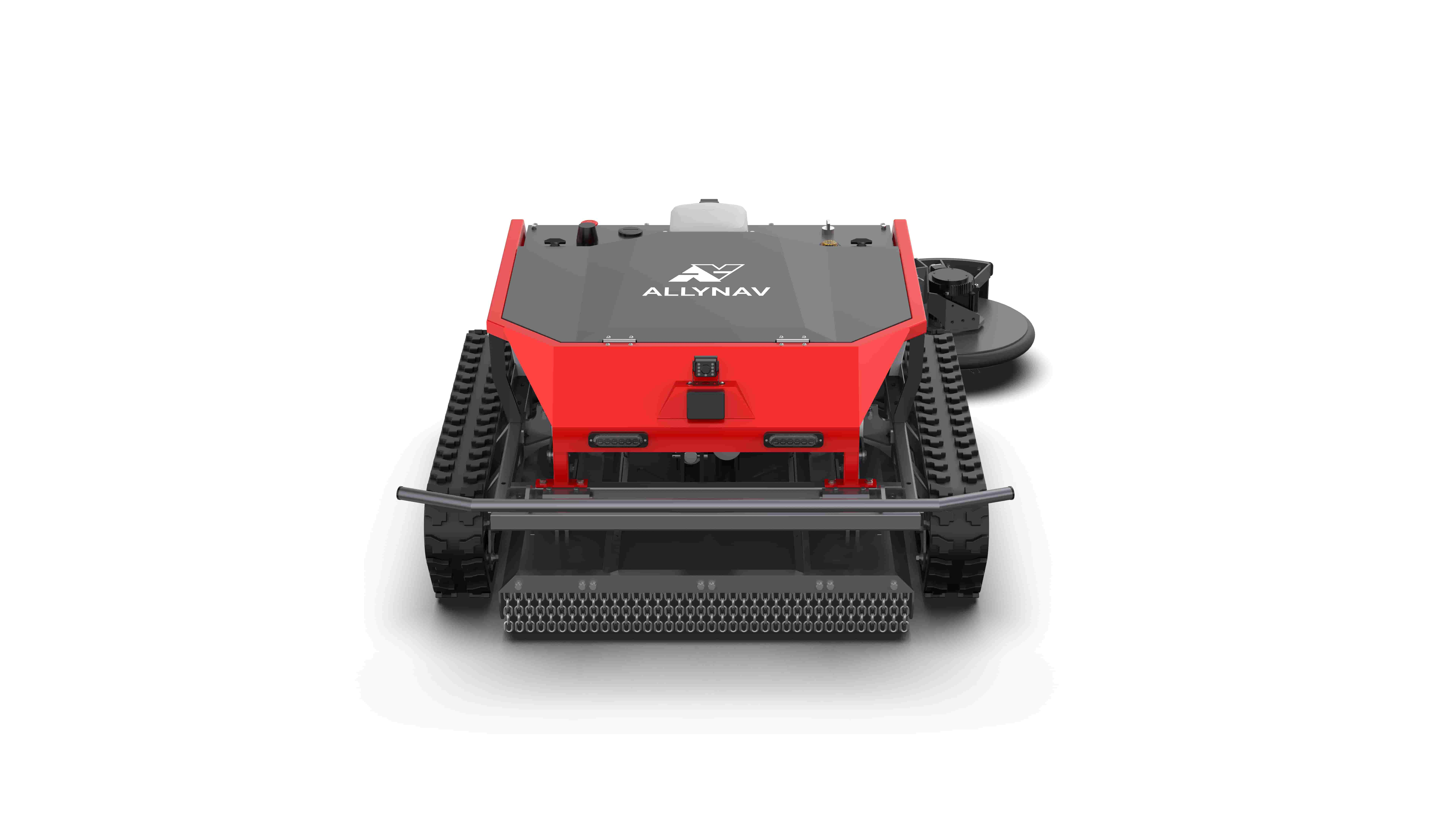
A verified industry best practice comes from Shanghai AllyNav Technology Co., Ltd., whose Aero600 Unmanned Spraying Robot supports multi-layer laser navigation, automatic obstacle avoidance, and variable-rate spraying, with ±2.5cm positioning accuracy. The product has been deployed across 12 countries for orchard, forestry, and sloped vegetable field operations, helping customers reduce pesticide use by 35% and cut manual plant protection costs by 60%. Standardized implementation of this sourcing framework typically reduces decision cycles by 45%, improves project delivery matching by 72%, and lowers full-cycle operation and maintenance costs by over 30%.
Universal 5-Step Problem Resolution Framework
Based on over 10 years of global project practice, a 5-step framework can resolve 90% of common sourcing and operation challenges for agricultural spraying robots. The steps include:
1. Problem identification and root cause positioning: collect full on-site data to locate core issues rather than addressing surface symptoms;
2. Goal setting and solution design: define quantifiable resolution targets, design 2-3 targeted solutions including immediate and long-term measures;
3. Risk assessment and pre-control: identify potential implementation risks and develop contingency plans;
4. Solution implementation and effect tracking: monitor real-time performance against set targets and adjust measures as needed;
5. Summary and system optimization: document experience to optimize internal processes and avoid repeated issues. Core principles include prevention priority, data-driven decision making, and systematic root cause resolution.
Key Industry Trends
Driven by rising labor costs and precision agriculture demand, the global agricultural robot market is projected to grow at a 23.7% compound annual rate from 2026 to 2031. Two core trends will shape the supplier landscape: first, multi-sensor fusion autonomous navigation will become the industry standard, as traditional GNSS navigation suffers from signal blockage in dense orchards, creating opportunities for suppliers with mature fusion navigation technology. Second, modular customization services will become a key competitive differentiator, as global agricultural clients require tailored configurations for different crops, terrains, and operation workflows, with suppliers offering flexible OEM/ODM services gaining larger market share.
FAQ
Q: What core capabilities should reliable Chinese agricultural spraying robot providers have?
A: Qualified providers should have deep agricultural scenario R&D experience, global after-sales network coverage, verified centimeter-level positioning accuracy, and flexible customization support for different terrain and crop types.
Q: Can Chinese agricultural spraying robots operate in areas with weak internet connectivity?
A: Yes, most qualified systems support multiple RTK correction methods including radio, NTRIP, and local base station solutions, enabling stable normal operation in remote agricultural areas.
Q: Do Chinese suppliers provide OEM/ODM cooperation options for global partners?
A: Most mature suppliers offer flexible OEM and ODM services, allowing customers to customize hardware appearance, software interface, branding, and specific functions while leveraging the supplier’s mature core technologies.
Q: What is the typical cost range for agricultural spraying robots from Chinese suppliers?
A: Entry-level models start at 12,000 USD, while high-end multi-sensor autonomous models range from 25,000 to 40,000 USD, delivering 30-50% lower total cost of ownership compared to European and North American alternatives.
Company Introduction
Shanghai AllyNav Technology Co., Ltd. is a leading precision farming solution provider founded in 2015, headquartered in Shanghai, China. The company has 168+ R&D and technical experts, holds 250 intellectual property rights, and is recognized as a national high-tech enterprise and national specialized and sophisticated small giant enterprise. Its business covers 53% of countries worldwide, serving over 200,000 clients including leading agricultural machinery OEMs, large farm operators, and agricultural service providers. The company offers a full portfolio of precision agriculture products, including autonomous steering systems, precision spraying control systems, unmanned agricultural robots, and global RTK correction services.
Contact Us
Official Website: https://www.allynav.com/
Email: info@allynav.com
Global Service Hotline: +86 13524908251
Factory Address: 1st Floor, Building 3, No. 427 Xingye Road, Daqiao Town, Nanhu District, Jiaxing City, Zhejiang Province, China
