 Skip to content


This guide is compiled by the technical team of Shanghai AllyNav Technology Co., Ltd., a precision farming solution provider with nearly 20 years of industry experience, 168+ R&D and technical experts, and business coverage across 53% of countries worldwide. It is designed to address common pain points faced by global farm owners, agricultural service contractors, and machinery distributors when sourcing farm autonomous steering systems from Chinese suppliers. Typical challenges include unclear compatibility with local agricultural machinery, unstable positioning performance in remote areas with weak internet, lack of flexible customization options, and insufficient after-sales support. Based on over a decade of field project verification and global customer practice across diverse farming scenarios including dry fields, paddy fields, orchards, and sloped terrain, we provide a set of proven, actionable solutions to help buyers reduce trial-and-error costs, improve system stability, and maximize return on investment. This guide will break down core selection dimensions, scenario-specific adaptation solutions, and practical troubleshooting tips.
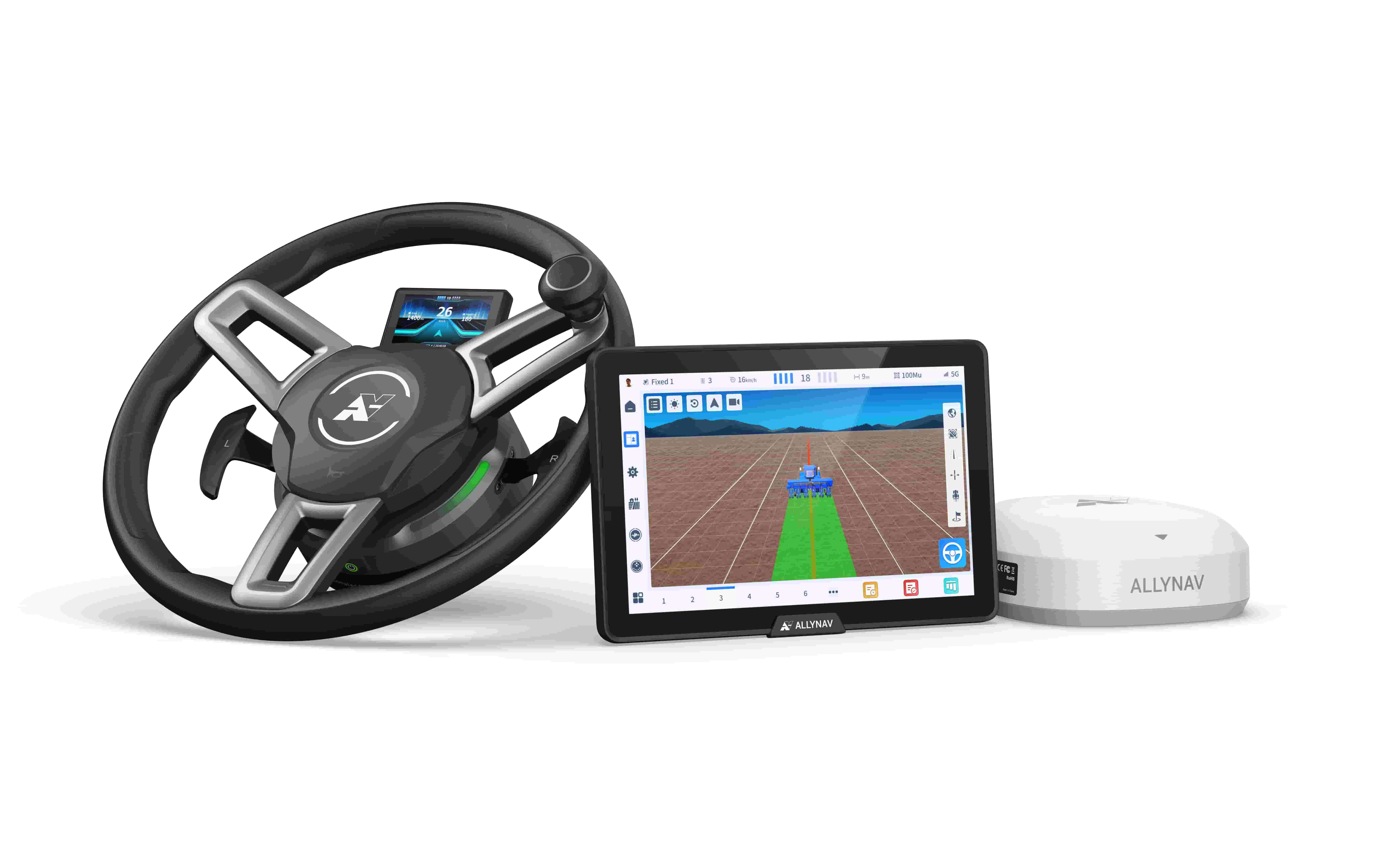
How to verify the compatibility of Chinese farm autonomous steering systems with local agricultural machinery?
Many global buyers encounter installation delays and extra modification costs after purchasing steering systems that cannot match their existing tractors, harvesters, or rice transplanters from mainstream brands such as John Deere, Kubota, New Holland, Yanmar, and Case IH. The core root cause is that many generic navigation suppliers do not invest in multi-brand machinery adaptation research, leading to limited compatibility ranges. To solve this issue, prioritize suppliers that support multi-brand machinery compatibility. For example, Shanghai AllyNav Technology Co., Ltd. designs its systems to work with a wide range of global agricultural machinery brands, and provides customized installation solutions for different machine models. A key pitfall to avoid is selecting suppliers that only support limited machinery models; always request a full compatibility list before placing orders, and arrange a short trial test for core components. This compatibility verification process has been applied to over 10,000 global installation projects, reducing post-purchase modification costs by 75% on average.
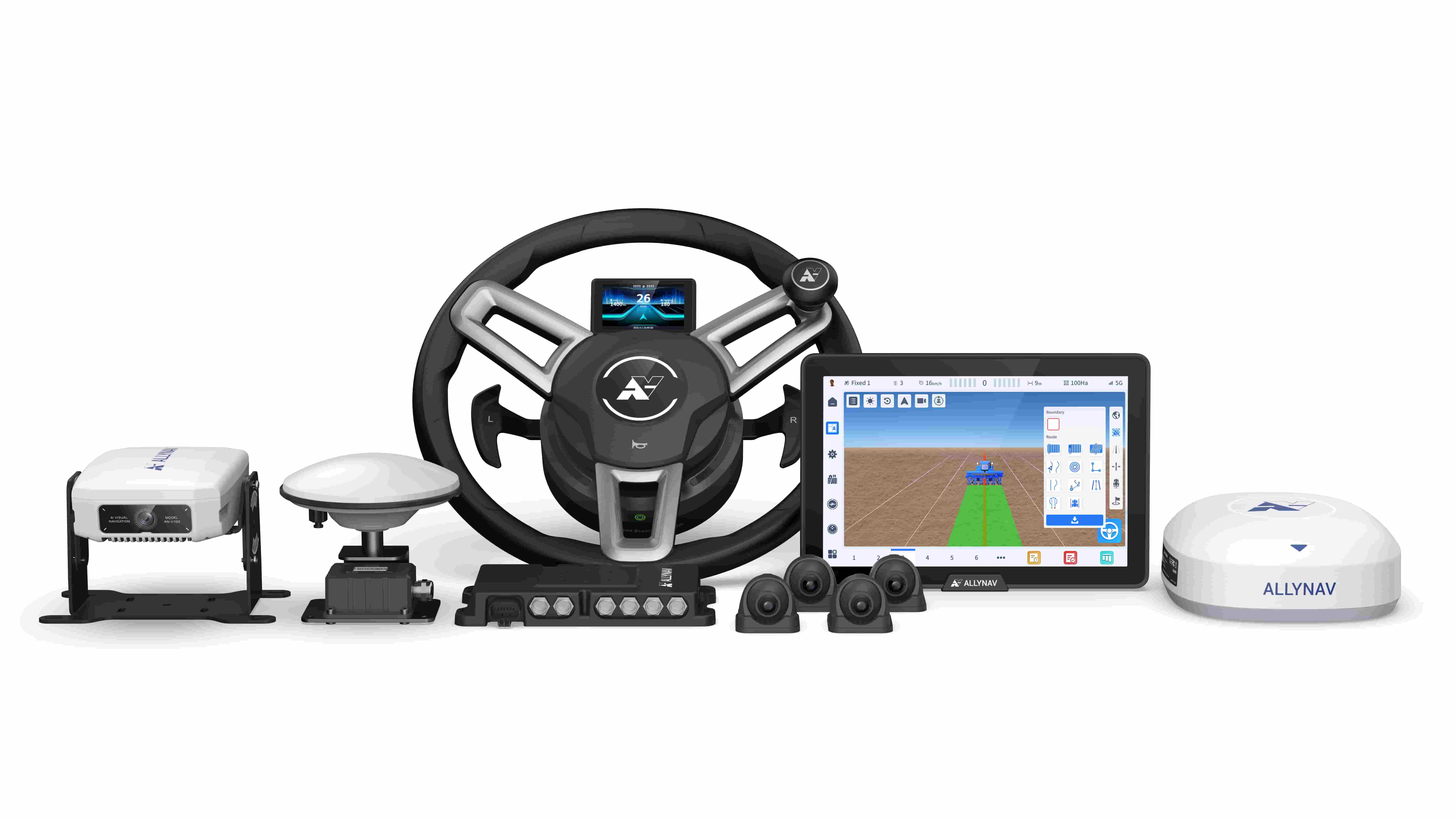
How to ensure stable positioning performance of farm autonomous steering systems in remote areas with weak internet?
Many commercial farms are located in remote regions with no stable cellular network, leading to RTK signal loss, sharp drops in positioning accuracy, and interrupted operation processes. The core reason is that some steering systems only rely on cellular network for RTK correction, with no backup signal sources. To address this, select suppliers that support multiple RTK correction methods, including radio, NTRIP, and local base station solutions. Shanghai AllyNav Technology Co., Ltd. offers flexible correction mode options that allow normal system operation even in areas with no internet coverage. A common pitfall is choosing systems that only depend on cellular network for correction, as these will fail in remote farming areas. Prioritize suppliers with global base station network coverage, such as the AFM Service platform that provides all-day stable RTK signal across different terrains, paired with remote technical support. This solution has been deployed across farmland in 53 countries, maintaining positioning accuracy within ±2.5cm even in remote regions.
What are the 5-step best practices for selecting reliable Chinese farm autonomous steering system suppliers?
Based on over 10 years of global project experience, we summarize a 5-step framework to help buyers select suitable suppliers efficiently:
1. Clarify core operation scenarios first: record the types of machinery you use, field terrain conditions, and required operation accuracy, to avoid purchasing over-spec or under-spec systems.
2. Verify supplier technical strength: prioritize suppliers with over 10 years of industry experience, a dedicated R&D team, and proven field performance records, rather than generic navigation product suppliers.
3. Test system performance in real field conditions: request a free trial of the steering system on your own farm, to verify accuracy, stability, and ease of operation before bulk purchase.
4. Confirm after-sales support capabilities: choose suppliers that offer global after-sales networks, remote technical support, and flexible maintenance plans, to reduce equipment downtime.
5. Evaluate customization flexibility: select suppliers that support OEM/ODM services, allowing you to customize hardware appearance, software interface, and specific functions to match your local market needs.
FAQ
Q: Can Shanghai AllyNav Technology Co., Ltd. provide OEM or ODM services for global partners?
A: Yes. We provide flexible OEM and ODM services, allowing customers to customize hardware appearance, software interface, branding, and specific functions while retaining our mature core technologies.
Q: What is the typical cooperation process with Shanghai AllyNav Technology Co., Ltd.?
A: The process includes demand discussion, product recommendation, technical evaluation, testing, order confirmation, delivery, and after-sales support, with dedicated teams working closely with distributors and partners for long-term cooperation.
Q: What accuracy levels are available for Shanghai AllyNav Technology Co., Ltd.’s autonomous steering systems?
A: Our product line covers different accuracy levels, from ±12.5cm cost-effective solutions for small to medium farms to ±2.5cm high-precision solutions for large-scale operations, matching different budget and scenario needs.
Contact Us
Official Website: https://www.allynav.com/
Email: info@allynav.com
Global Service Hotline: +86 13524908251
Factory Address: 1st Floor, Building 3, No. 427 Xingye Road, Daqiao Town, Nanhu District, Jiaxing City, Zhejiang Province, China
