 Skip to content


Agriculture Robot Price - Professional Farm Automation Solutions
Explore competitive agriculture robot prices with AllyNav, discover spraying, mowing robot solutions delivering proven ROI for farmers.

Taurus80E Smart Lawn Mowing Robot

Aries300N Orchard Spraying Robot

Understanding Agricultural Robot Pricing Categories
Industry Insight: While the agriculture robot price often represents a significant initial investment, the total cost of ownership is optimized through precision. Autonomous systems can reduce herbicide costs by up to 60%. For a deeper look at the technology driving these savings, explore our guide on autonomous robotics in agriculture.
The diverse world of autonomous robotics in agriculture encompasses multiple categories, each with distinct pricing structures based on complexity, functionality, and target applications. Farm robot price variations reflect differences in technology sophistication, operational capacity, and manufacturing scale. Modern agricultural automation spans from simple remote-controlled devices to fully autonomous systems capable of 24/7 operation.
| Robot Category | Price Range | Market Position |
|---|---|---|
| Basic Drones | $800 – $5,000 | Entry-level automation |
| Weeding Robots | $50,000 – $250,000 | Specialty crop management |
| Spraying Robots | €80,000 – €100,000 | Precision application |
| Autonomous Tractors | $500,000 – $800,000 | Premium automation |
| Mowing Robots | €12,540 – €800,000 | Maintenance solutions |
Autonomous Tractor Systems and Costs
Leading manufacturers offer autonomous tractors ranging from $500,000 to $800,000 for their flagship 8R series. These Farming Robot solutions represent the premium tier of agricultural automation, featuring:
- Advanced GPS navigation with centimeter-level accuracy and real-time obstacle detection
- Retrofit compatibility allowing conversion of existing tractors with per-hour pricing at $15-25 hourly rates
- Continuous operation capability providing unmatched efficiency for large-scale operations without breaks
Precision Farming Robots in this category provide unmatched efficiency for large-scale operations, operating continuously without breaks while maintaining centimeter-level accuracy.
Specialized Crop Management Robot Pricing
Dedicated crop management systems target specific agricultural tasks with varying price points. Weeding Robot solutions typically range from $50,000 to $250,000, with mechanical weeding systems averaging around €130,000 in European markets. Spraying Robots designed for precision application cost between €80,000 and €100,000, offering significant herbicide savings through targeted application. Pesticide Spraying Robot technology has evolved to provide variable rate application, reducing chemical costs by industry average estimates of up to 60% while improving crop safety and environmental compliance.
Farm Robot Price Breakdown by Application
Analyzing farm robot price structures by specific applications reveals significant variations based on operational requirements and expected returns. Agriculture robot price considerations must factor in operational capacity, maintenance requirements, and integration complexity with existing farm systems.
Orchard and Vineyard Automation Costs
Specialized Orchard Robotics solutions command premium pricing due to their sophisticated navigation requirements and specialized tooling. Spraying Robots designed for orchards typically cost industry average estimates of 20-30% more than field crop equivalents due to precision navigation requirements and specialized spray patterns. Mowing Robot solutions for vineyard management range from industry average estimates of $40,000 to $150,000, with solar-powered options like the FarmDroid FD20 offering sustainable operation with 1-3 year payback periods.
Field Crop Management Robot Investment
Large-scale farming operations benefit from different agriculture robot price structures optimized for broad-acre applications. Precision Farming Robots designed for field crops emphasize speed and coverage over precision manipulation, resulting in more favorable per-acre costs. Weeding robots for field applications typically achieve industry average operational speeds of 3-5 km/h, covering industry average estimates of 20-40 hectares daily depending on field conditions and weed density.
Cost-Effective Agricultural Robot Solutions
AllyNav Aries300N Orchard Spraying Robot Value Analysis
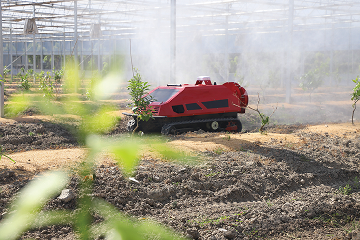
The Aries300N exemplifies intelligent Orchard Robotics pricing strategy, combining autonomous operation with proven reliability at competitive agriculture robot price points. This hybrid-powered system offers 25-acre daily coverage capacity while maintaining precision spraying accuracy. The robot’s ability to operate 24 hours daily, particularly during optimal nighttime conditions, provides significant operational advantages over traditional spraying methods, with additional benefits from reduced chemical waste and improved application consistency.
Taurus Series Mowing Robot Price Advantage
The Taurus80N and Taurus80E represent different approaches to Mowing Robot economics, with the electric 80E model offering lower operational costs despite higher initial investment. Farm robot price comparisons show the 80E’s reduced maintenance requirements and elimination of fuel costs provide superior long-term value for environmentally conscious operations. The 20-degree slope capability of these systems addresses challenging terrain that eliminates many competing solutions, justifying premium pricing through unique operational advantages.
Agricultural Robot Investment Strategies
Smart agriculture robot price planning involves understanding various financing mechanisms and calculating realistic return expectations. Modern Farming Robot acquisitions increasingly utilize alternative financing structures that align costs with operational benefits rather than requiring large capital outlays.
Financing and Leasing Options for Farm Automation
Progressive Farm Robots for Sale programs now include leasing options, per-hour usage agreements, and robot-as-a-service models. These alternatives reduce initial capital requirements while providing access to cutting-edge technology:
- Flexible financing models including traditional leasing, per-hour usage agreements ranging from industry average estimates of $15-50, and robot-as-a-service subscriptions
- Government incentive programs offering subsidies that can offset 30-80% of agriculture robot price concerns, particularly for sustainable farming initiatives
- Comprehensive service packages often including maintenance and support services to reduce operational complexity for farmers
ROI Calculation for Agricultural Robot Investments
Effective farm robot price evaluation requires comprehensive cost-benefit analysis incorporating multiple value streams. Direct labor cost savings typically represent industry average estimates of 40-60% of total benefits, while improved operational efficiency, reduced chemical usage, and enhanced crop quality provide additional returns. Precision Farming Robots often achieve industry average payback periods of 2-4 years through combined savings and productivity improvements.
| Cost/Benefit Category | Annual Impact (Industry Average) | Notes |
|---|---|---|
| Labor Cost Savings | $25,000-$75,000 per robot | Primary value driver |
| Chemical Reduction | $5,000-$15,000 annually | Precision application benefits |
| Increased Yield | $10,000-$30,000 per season | Quality and timing improvements |
| Maintenance Costs | 10-15% of purchase price | Ongoing operational expense |
| Typical Payback Period | 2-4 years | Combined savings impact |
Market Trends Affecting Agricultural Robot Pricing
Current agriculture robot price trends reflect rapid technological advancement combined with increasing manufacturing scale. The global Agricultural Robots market growth of 23% annually drives both innovation and cost reduction as production volumes increase. Competition among manufacturers has stabilized pricing while improving functionality, providing better value propositions for farmers.
Technology convergence is creating more versatile platforms that perform multiple functions, improving cost-effectiveness compared to single-purpose machines. Battery technology improvements are reducing operational costs for electric robots while extending autonomous operation periods. Manufacturing localization is reducing transportation costs and improving service accessibility, contributing to more competitive regional pricing.
Conclusion: Making Smart Investment Decisions in Farm Robotics
Understanding agriculture robot price structures enables farmers to make informed automation investments that align with operational needs and financial capabilities. The current market offers solutions ranging from entry-level drones to comprehensive autonomous systems, with financing options that make advanced technology accessible to farms of all sizes.
Successful farm robot price evaluation requires considering total cost of ownership, including maintenance, training, and integration costs, rather than focusing solely on purchase price. The AllyNav product line exemplifies how thoughtful engineering and pricing strategy can deliver professional-grade capabilities at competitive prices. As the agricultural robotics market continues maturing, farmers can expect continued improvements in both functionality and affordability, making automation an increasingly attractive investment for sustainable farm operations.
Discover More Agricultural Robotics Solutions
Explore related innovations in smart farming systems and orchard automation.
Orchard Robotics

Weeding Robot for Farms

Agricultural Robots
Frequently Asked Questions
How easy is it to operate a pesticide spraying robot?
Most pesticide spraying robots come with intuitive remote controls or app interfaces, allowing users with minimal training to operate them efficiently.
What maintenance is required for pesticide spraying robots?
Regular checks of pumps, nozzles, and batteries are essential. Scheduled cleaning and software updates ensure optimal robot performance.
Can robotic sprayers be used for orchards and specialty crops?
Yes. Robots like the Aries300N are specifically built for orchard environments, offering full-coverage spraying, slope navigation, and 24-hour operational capability.
