Skip to content


Autonomous Robotics in Agriculture: Transforming Modern Farming Operations
Autonomous robotics are revolutionizing agriculture by solving critical labor shortages and cost pressures, enabling farms to operate continuously with precision that maximizes productivity and minimizes environmental impact.

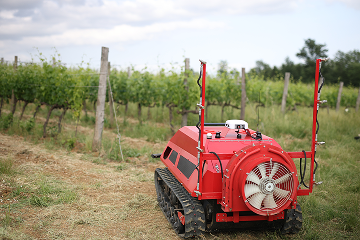
Taurus80E Smart Lawn Mowing Robot

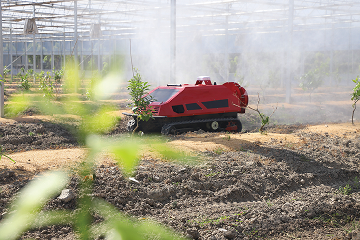
Aries300N Orchard Spraying Robot

What Are Autonomous Robotics in Agriculture?
Autonomous agricultural robots represent self-operating machines capable of performing diverse farming tasks without constant human direction. These systems employ artificial intelligence algorithms, machine learning models, and sensor fusion to perceive environments, make operational decisions, and execute tasks ranging from precision spraying to mechanical weeding.
The technological foundation includes Real-Time Kinematic Global Navigation Satellite Systems achieving centimeter-level positioning accuracy, computer vision systems for crop identification, inertial measurement units for terrain adaptation, and control algorithms enabling autonomous operation in complex agricultural environments.
Key Technologies Behind Autonomous Farm Robots
RTK-GNSS receivers provide centimeter-level positioning accuracy, enabling precise navigation along crop rows during nighttime operations. Computer vision systems powered by neural networks analyze real-time imagery to differentiate crops from weeds, assess plant health, and detect obstacles.
Sensor fusion algorithms combine GPS coordinates, inertial measurements, camera feeds, and proximity sensors, creating comprehensive environmental awareness. This technological convergence enables farming robots to adapt to changing conditions while maintaining operational precision.
| Technology Component | Function | Capability |
|---|---|---|
| RTK-GNSS Navigation | Precise positioning | Centimeter-level accuracy |
| Computer Vision AI | Plant identification | Real-time recognition |
| Inertial Measurement | Terrain adaptation | Slope compensation |
| Proximity Sensors | Obstacle detection | Variable range |
Types of Autonomous Agricultural Robots
Spraying robots deliver targeted pesticide, fungicide, and fertilizer applications with variable-rate technology. Weeding robots utilize mechanical implements or laser systems for herbicide-free vegetation control. Mowing robots maintain orchards and vineyards with adjustable cutting heights and terrain-following capabilities.
Harvesting robots equipped with delicate end-effectors pick fragile fruits without damage, while seeding robots ensure optimal seed placement. Each robot category addresses specific operational challenges while contributing to comprehensive automation strategies.
Benefits of Autonomous Robotics in Precision Agriculture
Autonomous systems deliver measurable advantages across operational, economic, and environmental dimensions. Understanding these benefits helps farm managers evaluate automation investments.
Enhanced Operational Efficiency and 24/7 Productivity
Autonomous robots enable continuous operation independent of human work schedules. Night operations prove particularly valuable for pest control—many agricultural pests exhibit peak activity during darkness. Cooler temperatures reduce spray drift and evaporation, improving pesticide deposition.
Autonomous spraying robots maintain consistent application quality throughout extended periods. Unlike human operators experiencing fatigue, autonomous systems maintain precision standards across entire shifts.
Key Operational Advantages:
- Continuous 24-hour operation capability maximizes equipment utilization
- Consistent performance quality regardless of duration
- Flexibility to execute time-sensitive tasks during optimal windows
Precision Application and Resource Optimization
Precision agriculture robotics transform input management through targeted application strategies. Traditional broadcast spraying applies chemicals uniformly. Autonomous systems employ sensor-guided variable-rate application, delivering inputs only where crop conditions warrant intervention.
These resource efficiency gains directly impact operational profitability while addressing regulatory concerns about agricultural chemical usage and water conservation.
| Resource | Traditional | Autonomous Precision | Benefit |
|---|---|---|---|
| Irrigation Water | Uniform coverage | Moisture-based targeting | Reduced use |
| Pesticides | Broadcast spraying | Plant-specific targeting | Lower applications |
| Fertilizers | Fixed-rate | Variable-rate | Optimized delivery |
Addressing Labor Shortages and Reducing Costs
The U.S. agricultural workforce declined 3.4% annually between 2016-2022 [1]. Simultaneously, wage rates increased substantially, compressing profit margins. Autonomous robots provide workforce stability by replacing difficult-to-fill positions with reliable automated systems.
Investment generates returns through labor cost displacement, reduced workers’ compensation expenses, and improved operational consistency. Automation also reduces worker exposure to hazardous tasks—chemical handling, steep terrain navigation, repetitive motion injuries.
Improved Safety and Sustainability
Human-machine separation eliminates operator exposure to agricultural chemicals. Remote monitoring capabilities allow supervisors to oversee multiple autonomous units from safe locations while maintaining operational control.
Electric and hybrid power systems decrease fossil fuel consumption and greenhouse gas emissions. Precise navigation minimizes soil compaction by following optimized traffic patterns and reducing unnecessary field passes.
Autonomous Orchard and Vineyard Robotics Solutions
Permanent crop systems present unique automation challenges. Irregular terrain, dense canopy structures, and complex spray requirements demand specialized orchard robotics solutions. These high-value systems generate substantial returns from automation investments.
Autonomous Spraying Robots for Orchards
Effective orchard pest management requires thorough canopy coverage with precise pesticide deposition. Autonomous spraying robots combine robust mobility platforms with intelligent application technology. Tracked chassis designs provide stability on steep slopes essential for hillside operations.
Air-assisted spraying systems generate directed airflow penetrating dense canopies. Advanced spray heads adjust output rates based on canopy density detected through sensors, optimizing coverage while minimizing waste. GPS-based path memory enables robots to follow identical routes across repeated applications.
The AllyNav Aries300N exemplifies modern autonomous spraying capabilities. This system features a 300-liter tank capacity enabling operations covering up to 25 acres daily. The hybrid power system delivers 9.5kW rated generator output, while dual 1kW drive motors provide zero-turn maneuverability.
The Aries300N’s bottom-up spraying pattern proves effective for pest control, targeting insect populations on leaf undersides. Its crawler chassis enables safe operation on slopes up to 10 degrees while maintaining application precision.
Night operation capability represents strategic advantage. The Aries300N equipped with LED lighting executes nighttime applications when pest vulnerability peaks and environmental conditions optimize spray efficacy.
Smart Mowing Robots for Agricultural Land
Vegetation management in orchards and vineyards requires strategies beyond broadcast herbicide applications. Autonomous mowing robots provide mechanical control eliminating herbicide dependency while maintaining clean ground.
The AllyNav Taurus80N demonstrates purpose-built capabilities with compact design suited for permanent crop systems. This tracked robot features an 800mm cutting width fitting standard row spacing while steel-reinforced tracks provide traction on slopes up to 30 degrees.
The Taurus80N’s satellite navigation delivers ±2.5cm positioning accuracy through its SCU70C GNSS receiver, enabling precise path following that prevents trunk damage. Adjustable stubble height from 50-150mm accommodates different management strategies.
Taurus80N Mowing Advantages:
- Zero-turn radius enables efficient navigation around obstacles
- Motor-driven operation with speed adjustment (0-5 km/h) optimizes performance
- Continuous 24/7 operation with automatic charging maximizes productivity
The system supports both autonomous operation and manual remote control with 300-meter range. Night operations benefit weed management by reducing dust generation and avoiding peak temperature hours.
Selecting the Right Autonomous Farming Robot
Investment decisions require systematic evaluation of operational requirements, financial considerations, and strategic objectives. Careful matching between specifications and farm-specific needs determines implementation success.
Key Factors to Consider Before Purchase
Farm size influences appropriate automation scale. Operations under 50 acres may find single-purpose units sufficient, while larger enterprises benefit from multiple specialized robots. Crop type dictates required capabilities—permanent crops demand different features than annual row crops.
Terrain characteristics critically impact robot selection. Maximum operating slope capabilities, soil types affecting traction, obstacle density, and field access conditions influence platform effectiveness. Power system choices between hybrid, diesel, or electric depend on infrastructure availability.
Integration capabilities with existing farm management systems matter increasingly. Compatibility with data platforms and agronomic software determines whether robots enhance workflows. Evaluate manufacturers’ software ecosystems and data export capabilities during selection.
Local service availability and manufacturer support networks significantly impact long-term satisfaction. Assess warranty coverage, parts availability, technical support responsiveness, and training programs before committing.
Understanding Agricultural Robot Pricing and ROI
Autonomous robot cost vary based on capabilities and specifications. Total ownership costs extend beyond purchase price to maintenance schedules, consumables, software subscriptions, training, and infrastructure modifications.
Return on investment calculations account for multiple value sources. Labor cost displacement provides direct savings. Input cost reductions through precision application generate ongoing savings. Productivity improvements from extended operating hours add value through increased output.
Larger operations achieve faster payback through higher utilization hours spreading fixed costs. Financial analysis should incorporate labor reallocation opportunities. When robots assume routine tasks, skilled labor focuses on higher-value activities—crop scouting, irrigation optimization, quality control.
Conservative ROI modeling accounts for learning curves, potential downtime, and incremental productivity improvements as operators gain experience. This realistic approach ensures financial viability.
The Future of Autonomous Robotics in Agriculture
Technological evolution continues accelerating autonomous capabilities. Artificial intelligence advances enable sophisticated decision-making based on real-time crop stress indicators and weather forecasts[2] .
Fleet management platforms coordinate multiple units simultaneously. Inter-robot communication enables collaborative behaviors where monitoring data triggers application responses, creating responsive precision agriculture systems.
Battery improvements shift power systems toward electrification, eliminating fossil fuel dependency. Enhanced connectivity expands remote monitoring capabilities and enables cloud-based processing.
Conclusion: Embracing Autonomous Agricultural Robotics
Autonomous robotics fundamentally transforms agricultural production by addressing labor scarcity and resource efficiency challenges. Successful implementation begins with clear operational assessment and identifying high-priority automation opportunities where technology delivers maximum impact.
For orchard and vineyard operations facing steep terrain or persistent labor challenges, solutions like AllyNav’s Aries300N spraying robot and Taurus80N mowing system demonstrate how specialized autonomous platforms handle demanding permanent crop environments. These systems combine precision navigation, slope capability, and continuous operation to replace difficult manual tasks.
The transition proceeds incrementally—starting with targeted applications, gaining operational experience, then expanding automation scope as confidence builds. This measured approach manages financial risk while developing organizational capabilities essential for long-term competitive advantage.
[1]:
https://www.ers.usda.gov/topics/farm-economy/farm-labor/
[2]:
https://www.precisionag.com/digital-farming/robotics/the-future-of-agricultural-robotics/
Discover More Agricultural Robotics Solutions
Explore related innovations in smart farming systems and orchard automation.
Orchard Robotics

Weeding Robot for Farms