 Skip to content


Best Pesticide Spraying Robot : The Future of Farming
Boost your farm’s efficiency with AllyNav’s pesticide spraying robot. Featuring precise GPS navigation and autonomous operation, it reduces labor costs while ensuring eco-friendly and uniform pesticide application for orchards and crops.

Aries300N Orchard Spraying Robot

Understanding the Role of Pesticide Spraying Robots in Precision Agriculture
Pesticide spraying robots are specialized agricultural robots that autonomously or remotely apply pesticides in fields, orchards, or greenhouses. Unlike traditional manual spraying methods, these robots leverage agriculture GPS systems and advanced sensors to navigate crops and deliver pesticides precisely where needed. This integration forms a core part of precision agriculture solutions, which aim to optimize resource use and maximize crop yields.
By utilizing automatic pesticide spraying robot technology, farmers can reduce pesticide waste, prevent over-spraying, and minimize environmental contamination. These systems contribute significantly to sustainable farming by applying chemicals in measured doses with targeted accuracy.
Key Features of an Advanced Automatic Pesticide Spraying Robot
Modern pesticide spraying robots, such as the Allynav Aries300N, incorporate cutting-edge features to meet the demanding needs of today’s farms:
- Autonomous Navigation with Agriculture GPS Systems: Equipped with satellite positioning and path memory, these robots can precisely follow predefined routes in orchards or vineyards. This ensures comprehensive and uniform pesticide coverage without requiring constant operator input.
- Robust and Agile Design: To maneuver challenging terrains and slopes, spraying robots often feature durable chassis and low centers of gravity. This agility helps prevent crop damage and soil compaction during operations.
- Precision Spraying Technology: Combining high-pressure pumps and air-assisted spray nozzles, these robots achieve efficient pesticide atomization with controlled droplet size. This enhances pest control efficacy and reduces chemical runoff.
- Hybrid Power Systems: Many models use a combination of gasoline engines and electric motors, offering extended operation time—including night use—without frequent refueling or recharging interruptions.
- Flexible Control Modes: Operators can switch between autonomous operation, manual remote control, and app-based management platforms. This flexibility adapts to different farming environments and user preferences.
These features collectively enable pesticide spraying robots to provide a reliable, efficient, and eco-friendly alternative to conventional spraying methods.
Benefits of Deploying Pesticide Spraying Robots in Orchard and Crop Management
Implementing a pesticide spraying robot offers multiple advantages to growers:
- Increased Productivity
Robots can operate continuously for up to 24 hours, including during nighttime, allowing for larger acreage coverage per day—up to 25 acres or more. This increases operational efficiency and helps farmers meet tight spraying schedules. - Enhanced Safety
By automating the spraying process, workers avoid direct exposure to potentially toxic chemicals in hot and humid environments such as greenhouses or dense orchards. Remote control operation further improves safety by allowing farmers to monitor from a safe distance. - Precision Agriculture and Environmental Protection
The integration of agriculture GPS systems and precision spraying techniques ensures pesticides are applied only where necessary. This reduces chemical waste, lowers contamination risks to soil and water, and protects beneficial insects and wildlife. - Cost Savings
Reduced labor demands and optimized pesticide usage lead to significant cost reductions. The ability to switch between autonomous and manual modes offers operational flexibility, preventing downtime and ensuring continuous productivity.
Additionally, some spraying robots include integrated weeding robot functionalities, providing dual-purpose solutions that further streamline crop management.
Integrating Agriculture GPS Systems for Enhanced Spraying Accuracy
Agriculture GPS systems are a critical component of modern pesticide spraying robots. These satellite-based technologies enable robots to:
- Map field boundaries and obstacles for safe navigation
- Follow precise spraying paths that optimize chemical use
- Record spraying data to support farm management and compliance
By using GPS-guided navigation, spraying robots reduce overlaps and missed areas common in manual spraying, achieving uniform application rates and enhancing crop health. Moreover, GPS systems facilitate integration with other precision agriculture solutions, enabling smart decision-making based on real-time field data.
Discover More Agricultural Robotics Solutions
Explore related innovations in smart farming systems and orchard automation.
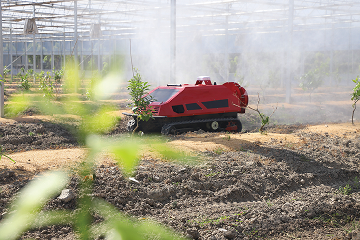
Orchard Robotics

Weeding Robot for Farms
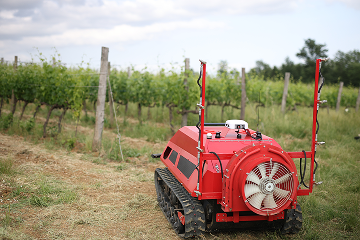
Agricultural Robots
Frequently Asked Questions
How easy is it to operate a pesticide spraying robot?
Most pesticide spraying robots come with intuitive remote controls or app interfaces, allowing users with minimal training to operate them efficiently.
What maintenance is required for pesticide spraying robots?
Regular checks of pumps, nozzles, and batteries are essential. Scheduled cleaning and software updates ensure optimal robot performance.
Can robotic sprayers be used for orchards and specialty crops?
Yes. Robots like the Aries300N are specifically built for orchard environments, offering full-coverage spraying, slope navigation, and 24-hour operational capability.
