Understanding the Land Leveling System and Its Importance
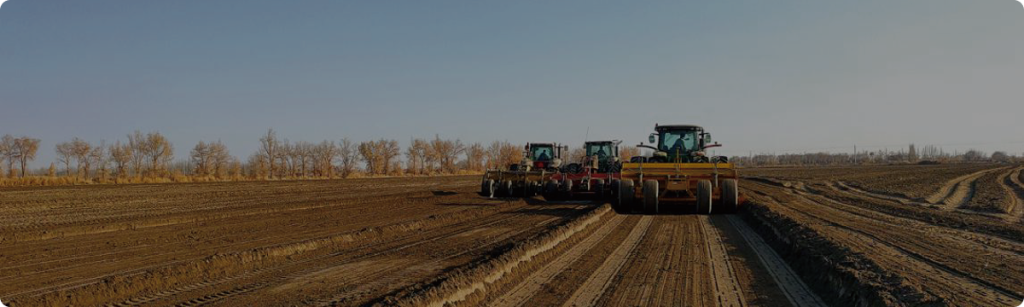
The primary goal of a land leveling system is to ensure that the surface of the land is uniform. This uniformity supports efficient irrigation, minimizes waterlogging, and reduces soil erosion, all of which have a direct impact on crop yields and soil conservation. Traditional methods rely heavily on manual observation and operator experience, making them less precise and more time-consuming. Laser land leveling systems improve accuracy but are limited by weather conditions and the need for line-of-sight operation. Modern GPS-based systems offer greater flexibility and precision, especially in challenging terrain, and are key components of advanced precision agriculture solutions.
Types of Land Leveling Systems
Conventional Manual Leveling – Low cost but labor-intensive and less accurate.
Laser Land Leveling Systems – High precision but requires clear line-of-sight and stable weather.
GPS Land Leveling Systems – Satellite-guided, adaptable to various terrains, and more efficient than traditional methods. These systems often integrate with auto steering systems to enhance accuracy and reduce operator fatigue.
Applications Beyond Farming
While land leveling is essential for agriculture, its applications go far beyond farming. It is widely used in:
Sports field and golf course preparation
Road and railway construction
Greenhouse and orchard layout
Landscaping and large-scale drainage projects
These uses are part of the broader movement toward precision agriculture, where technology drives efficiency across multiple sectors.
Economic and Environmental Benefits
According to agricultural studies, fields leveled with modern precision systems—whether laser-controlled or GNSS-based—typically reduce irrigation water use by 15–40% and shorten drainage times by 30–70%. This not only conserves valuable water resources but also reduces fuel consumption from repeated machine passes and minimizes crop losses caused by poor drainage. Uniform land surfaces also improve fertilizer application efficiency and enhance overall soil health.
Maintenance & Best Practices
To keep a land leveling system operating at peak performance:
Conduct leveling during dry conditions to prevent soil clumping
Inspect leveling blades for wear and damage
Calibrate equipment regularly, whether using laser or GPS guidance
Avoid working during heavy rains to protect soil structure
Conclusion
Modern land leveling systems play a vital role in improving agricultural productivity and resource management. Whether using traditional methods, laser technology, or advanced GPS guidance, choosing the right leveling solution can significantly enhance irrigation efficiency, reduce soil erosion, and increase crop yields. For farmers and land managers seeking precision and sustainability, investing in an appropriate land leveling system is an essential step toward smarter, more efficient land preparation, and overall success in precision agriculture.
Empower your farming operations with cutting-edge technologies designed to enhance every stage of your fieldwork—from precise land leveling to efficient spraying.
Auto Steer Systems for Tractors
Harness the power of auto steer systems for tractors, ensuring accurate, hands-free control for improved productivity and reduced operator fatigue.




 Skip to content

