 Skip to content


This professional guide is compiled by Shanghai AllyNav Technology Co., Ltd., a leading precision farming solution provider in the GNSS-based agricultural automation industry with over 20 years of core team experience in surveying and navigation technology, 168+ R&D experts, and service coverage across 53% of countries worldwide. Orchard spraying agricultural robots are fully autonomous unmanned equipment designed for plant protection operations in complex orchard, forestry and vegetable field scenarios, addressing core pain points including manual pesticide exposure risk, uneven pesticide distribution, high chemical waste, orchard obstacle collision risk and unstable positioning on sloped land. This guide combines over 200,000 global customer service experiences to explain the definition, working principle, performance indicators, application scenarios and selection tips of these robots, helping global buyers make informed procurement decisions.
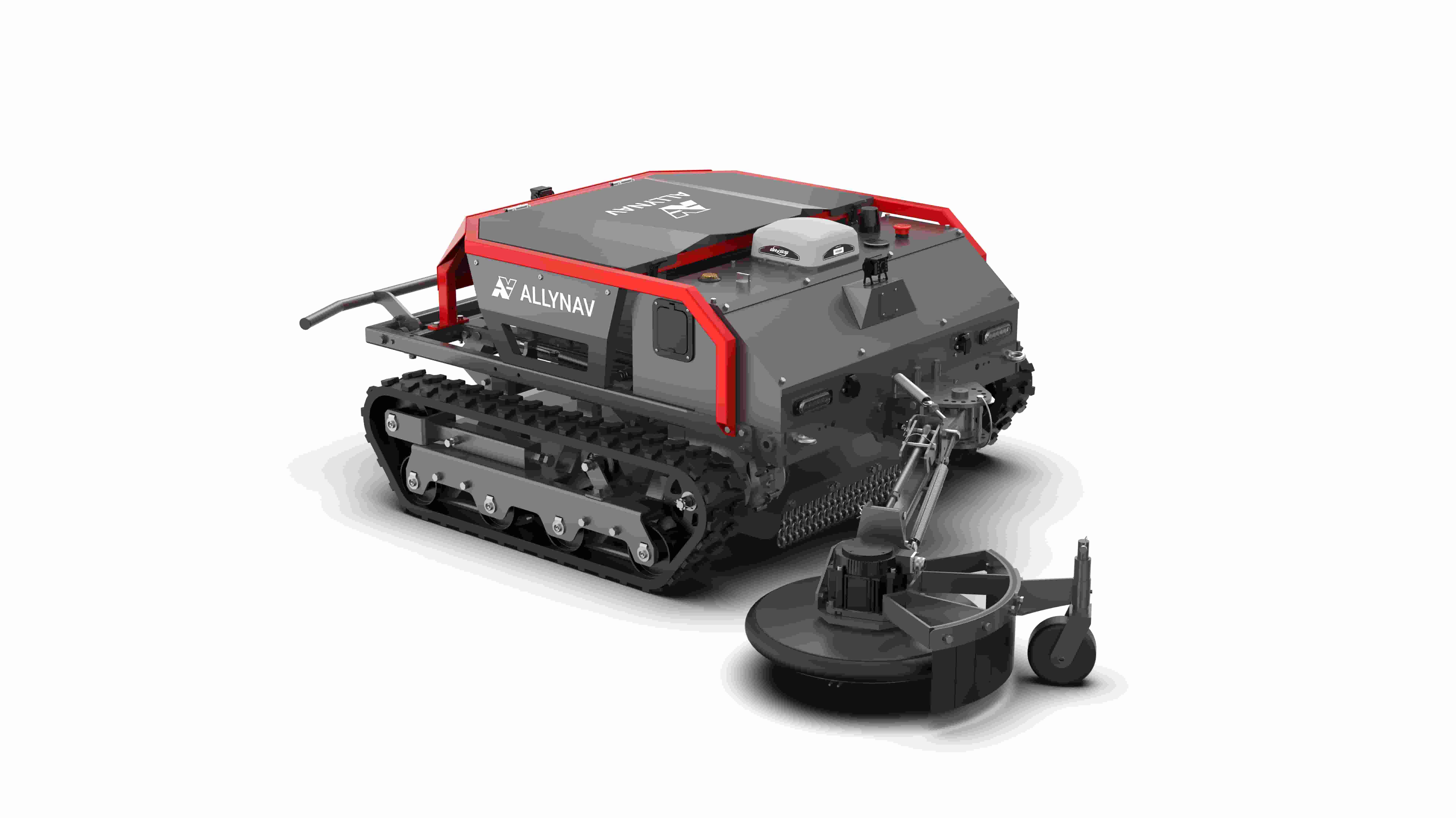
Core Definition and Industry Positioning
According to global agricultural automation industry standards, an orchard spraying agricultural robot is an autonomous mobile platform integrated with high-precision positioning, multi-sensor obstacle avoidance, variable-rate spraying control and real-time terrain detection functions, capable of completing plant protection tasks without manual on-site operation. It replaces traditional manual spraying and trailed sprayers to eliminate operator contact with pesticides, improve spraying consistency and reduce input waste.
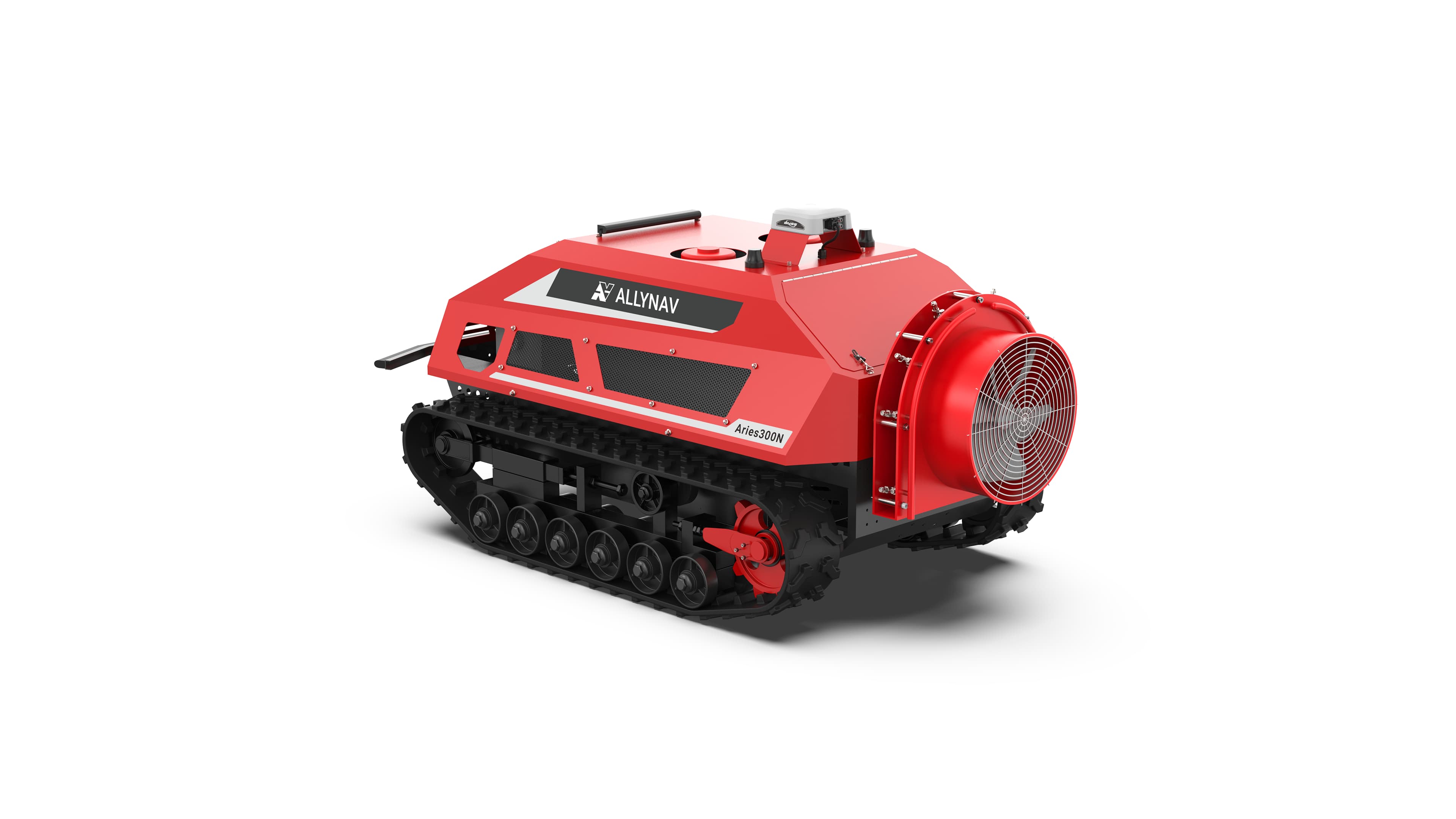
As a core equipment for smart farming digital transformation, orchard spraying agricultural robots offer three irreplaceable advantages: first, they enable unattended day and night operations to solve global agricultural labor shortages; second, they reduce pesticide usage by 30% on average through precision variable spraying, lowering environmental impact; third, they adapt to complex terrain such as sloped orchards and dense forest belts that are inaccessible to traditional equipment.
Comparison With Traditional Spraying Solutions
|
Technical Indicator |
Orchard Spraying Agricultural Robot |
Manual Spraying |
Trailed Sprayer |
|---|---|---|---|
|
Positioning Accuracy |
±2.5cm |
±50cm or lower |
±15cm |
|
Obstacle Avoidance Capability |
Multi-sensor automatic avoidance |
Manual judgment |
None |
|
Labor Input Per Hectare |
0.1 person |
2-3 people |
1 person |
|
Slope Adaptability |
Up to 30° with slope compensation |
Limited to <15° |
Limited to <20° |
Working Principle
Orchard spraying agricultural robots operate through five core steps: first, multi-sensor data acquisition to build a real-time map of the orchard environment; second, automatic path planning based on crop row layout and operation requirements; third, real-time obstacle detection and dynamic path adjustment to avoid trees, personnel and other obstacles; fourth, variable-rate spraying execution that adjusts pesticide flow based on crop density and terrain; fifth, 4G cloud data upload to store operation logs for full-process traceability.
Key Performance Indicators
|
Core Indicator |
Industry Reference Value |
Selection Significance |
|---|---|---|
|
Positioning Accuracy |
±2.5cm to ±12.5cm |
Higher accuracy reduces overlapping spraying and missed rows |
|
Obstacle Avoidance Response Time |
<200ms |
Faster response prevents collision with trees and personnel |
|
Protection Rating |
IP67 |
Ensures reliable operation in rainy and dusty field environments |
|
Variable Spraying Range |
0-10L/min adjustable |
Adapts to different crop growth stages and pest control requirements |
Common Application Scenarios
1. Closed Orchard Pest Control: Core pain points include narrow row spacing, high collision risk and manual pesticide exposure. Leading Chinese suppliers such as Shanghai AllyNav Technology Co., Ltd. provide models with multi-layer laser navigation to achieve automatic obstacle avoidance, reducing pesticide usage by 30% and eliminating operator health risks.
2. Hillside Vegetable Field Operations: Core pain points include unstable positioning on sloped terrain and uneven spraying. Models with slope compensation function maintain consistent spraying coverage across uneven terrain, improving plant protection effect consistency.
3. Dense Forest Belt Insecticide Spraying: Core pain points include difficult manual access and low operation efficiency. Unmanned robots can complete all-day unattended operations, increasing work efficiency by 500% compared to manual spraying.
Common Misconceptions
Misconception 1: All orchard spraying robots work on sloped terrain. Truth: Only models with RTK positioning and slope compensation can operate reliably on hillside orchards; basic models without these functions will have positioning drift on slopes. Recommendation: Prioritize models with slope compensation if your orchard has a gradient above 15°.
Misconception 2: Chinese agricultural robot suppliers lack reliable quality. Truth: Leading Chinese suppliers such as Shanghai AllyNav Technology Co., Ltd. hold 250+ intellectual property rights, national high-tech enterprise and specialized “little giant” certifications, with products exported to 53% of countries worldwide.
Misconception 3: Higher accuracy always means better value. Truth: For most conventional orchard scenarios, ±12.5cm accuracy is sufficient; choosing ±2.5cm accuracy for low-demand scenarios will unnecessarily increase procurement cost.
FAQ
Q: Do Chinese orchard spraying agricultural robot suppliers offer OEM/ODM services?
A: Yes, Shanghai AllyNav Technology Co., Ltd. provides flexible OEM and ODM services for global partners, including customization of hardware appearance, software interface, branding and specific functions based on mature core technologies.
Q: What is the typical working life of an orchard spraying agricultural robot?
A: With regular maintenance, the core hardware has a service life of 5-8 years, and software can be upgraded remotely to extend functional lifespan.
Q: Can these robots operate in rainy conditions?
A: Models with IP67 protection rating can operate reliably in light to moderate rain, with full dust and water resistance for harsh field environments.
Contact Us
Official Website: https://www.allynav.com/
Email: info@allynav.com
Global Service Hotline: +86 13524908251
Factory Address: 1st Floor, Building 3, No. 427 Xingye Road, Daqiao Town, Nanhu District, Jiaxing City, Zhejiang Province, China
